


best-cot-bed6239
best-cot-bed6239
What Cots Will Be Your Next Big Obsession
The Ultimate Guide to Cots: Choosing the Right One for Your Baby
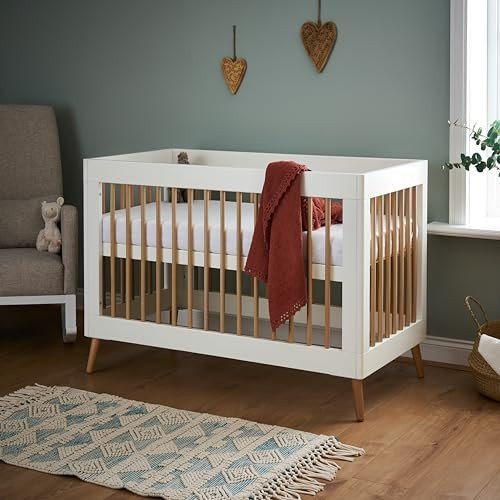
When it concerns getting ready for a new baby, among the most crucial purchases moms and dads will make is a cot. A cot works as a safe house for your child, providing a safe location to sleep, rest, and grow throughout those early months. However, with a myriad of alternatives readily available, browsing the world of cots can be frustrating. This guide intends to offer useful insights into various types of cots, essential functions to consider, and Baby Cot) answers to regularly asked concerns.
Comprehending Different Types of Cots
There are various kinds of best cots offered in the market, each designed to cater to different requirements and preferences. Here’s a breakdown of the most typical types:
| Type of Cot | Description | Pros | Cons |
|---|---|---|---|
| Standard Cot | A traditional cot developed for newborns to young children, normally featuring fixed sides. | Tough and long lasting; often features adjustable mattress heights. | Uses up more space; may not transform to other uses. |
| Convertible Cot | A cot that can alter into different configurations, such as a young child bed or a full-sized bed. | Long-lasting investment; grows with your kid. | Typically more costly upfront. |
| Portable Cot | Light-weight and collapsible, Best rated cribs ideal for travel or little spaces. | Easy to save and carry; terrific for travel. | May not be as sturdy as basic cots; restricted durability. |
| Moses Basket | A small, portable basket for babies, developed for short-term usage. | Lightweight and relaxing for babies; easy to walk around the house. | Minimal life expectancy; typically only for the very first few months. |
| Cradle | A little bed that rocks gently, suitable for relaxing fussy babies. | Offers a soothing environment; mobile option. | Not ideal for older infants; restricted use. |
Secret Features to Look For
When selecting a cot for your baby, safety and functionality ought to be top rated cots concerns. Here are some essential functions to consider:
1. Safety Standards
- Guarantee that the cot fulfills the security requirements set by organizations such as the Consumer Product Safety Commission (CPSC) or the American Society for Testing and Materials (ASTM).
2. Adjustable Mattress Heights
- Cots including adjustable bed mattress heights allow you to reduce the mattress as your kid grows, making it safer for older babies who can pull themselves up.
3. Material Quality
- Try to find cots made from solid wood or quality products that are totally free from damaging toxic substances, such as formaldehyde and lead paint.
4. Durable Construction
- A well-built cot will endure the test of time, offering security and security for your baby. Check for stability and make sure there are no sharp edges or loose screws.
5. Size and Space Considerations
- Measure the offered space in your nursery to guarantee the infant cot bed fits conveniently. Think about whether you may require a portable option for travel or smaller areas.
6. Relieve of Assembly
- Some cots can be challenging to assemble. Try to find user-friendly designs and check out consumer evaluations for insight into the assembly process.
7. Price Point
- Cots can be found in a wide variety of rates. While it’s vital to remain within budget, purchasing a higher-quality cot can offer peace of mind regarding safety and toughness.
Browsing the Cot Buying Process
To make the cot-buying process much easier, think about following these actions:
Step 1: Research
- Hang around checking out evaluations and comparing different kinds of cots. Websites like Consumer Reports and parenting blogs can supply valuable insights.
Action 2: Create a Budget
- Determine how much you are prepared to invest in a cot. Keep in mind that while higher-quality cots might cost more, they often provide much better safety and longevity.
Action 3: Visit Showrooms
- If possible, visit shops to see the cots personally. This enables you to check them out, inspect the strength, and get a feel for the size.
Step 4: Ask About Return Policies
- Before making a purchase, ask about the shop’s return policy in case the cot does not meet your expectations or if you encounter any concerns.
Step 5: Consider Future Needs
- Believe about the length of time you prepare to use the cot and whether you would like a convertible design that can grow with your kid.
Often Asked Questions (FAQs)
Q1: What is the recommended age for utilizing a cot?
A: Cots are typically recommended for newborns approximately 3 years old, depending upon the type and construction of the cot. Constantly refer to the producer’s guidelines.
Q2: What is the best sleeping position for babies in a cot?
A: Infants need to constantly be put on their backs to sleep, with a company bed mattress and no soft bed linen, pillows, or toys in the cot.
Q3: How do I preserve the cot for security?
A: Regularly check your cot for any loose screws, harmed parts, or wear and tear. Tidy the cot according to the manufacturer’s directions to avoid harmful germs.
Q4: Can I use a pre-owned cot?
A: While pre-owned cots can be affordable, guarantee they meet current security requirements, as older models may not be compliant. Examine for recalls on pre-owned products.
Q5: What mattress should I choose for the cot?
A: A firm, flat bed mattress that fits comfortably within the cot is ideal. Make certain there are no spaces between the mattress and cot edges to prevent suffocation threats.
Choosing the right cot for your baby is a crucial decision that involves cautious consideration of security, comfort, and future needs. By comprehending the different types of cots, vital features to try to find, and browsing the buying process efficiently, parents can make educated options that will provide a safe and comfortable environment for their children. Keep in mind, investing in a quality cot is not simply about today; it’s about producing a nurturing area for your kid’s growth and development.
