


bicycle-for-exercise-at-home8825
bicycle-for-exercise-at-home8825
A Step-By-Step Guide To Choosing The Right Stationary Bikes
The Ultimate Guide to Stationary Bikes: A Deep Dive into Benefits, Types, and Buying Considerations
In the ever-evolving landscape of fitness equipment, stationary bikes have actually sculpted out a niche as a staple for home workouts, fitness centers, and rehabilitation centers alike. Whether you’re an ambitious cyclist, a physical fitness beginner, or somewhere in between, understanding the kinds of stationary bicycles, their advantages, and essential buying factors to consider can assist you make a notified decision. This detailed guide will provide you with all the info you require while answering common concerns about fixed bikes.
The Benefits of Stationary Bikes
Stationary bikes provide a myriad of benefits, making them a popular choice for lots of physical fitness lovers. Below are some of the most noteworthy advantages:
| Benefit | Description |
|---|---|
| Cardiovascular Fitness | Stationary cycling increases heart rate, enhancing total cardiovascular health. |
| Low Impact Exercise | Supplies an excellent workout without stressing the joints, making it suitable for all fitness levels. |
| Weight Management | Help in burning calories successfully, adding to weight loss or maintenance. |
| Convenience | Enables exercise versatility, enabling users to exercise bike for house at any time, despite weather. |
| Adjustable Workouts | Lots of bikes provide adjustable resistance and preset programs for diverse strength. |
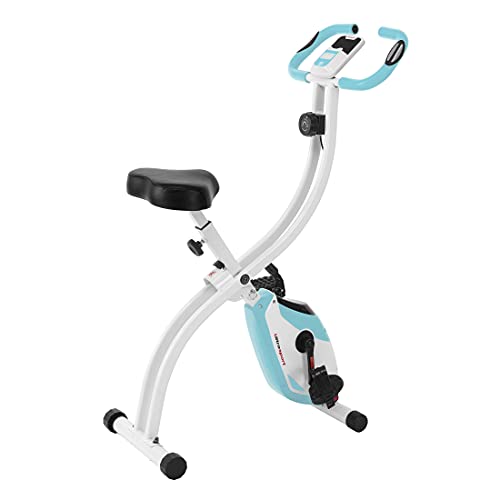
| Minimal Space Required | Compact designs are readily available, making them appropriate for small home. |
Types of Stationary Bikes
There are 3 main kinds of fixed bikes, each serving various physical fitness goals and preferences. Below is a comprehensive contrast:
| Type | Description | Pros | Cons |
|---|---|---|---|
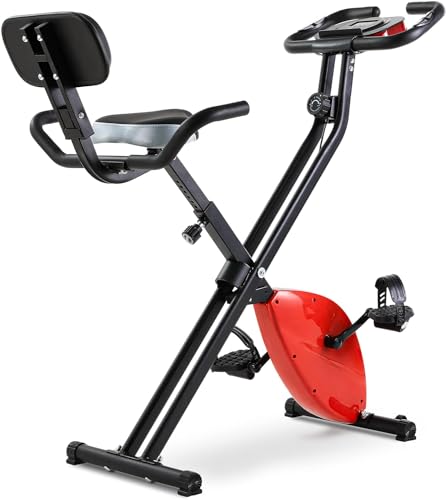
| Upright Bikes | These bikes look like traditional bikes with a comfy seat and handlebars. | – Engages core muscles – Compact design |
– May trigger pain for long trips |
| Recumbent Bikes | Functions a reclined seating position, permitting back support. | – Excellent back support – Comfortable for long period of time |
– Larger footprint – Less core engagement |
| Spin Bikes | Designed for high-intensity period training, these bikes resemble roadway bikes but are typically more robust. | – great exercise bikes for intense exercises – Adjustable resistance for numerous ability levels |
– May be uncomfortable for newbies – Typically do not have back support |
What to Consider When Buying a Stationary Bike
When selecting a fixed bike, several factors need to be weighed to make sure the best fit for individual requirements.
-
Budget: stationary bikes exercise bikes (https://notes.Bmcs.one) bikes can be found in various rate varieties. Setting a budget helps narrow down choices.
-
Area: Consider the size of the bike and where it will be placed. Measuring your space makes sure the bike fits conveniently.
-
User Experience: Assess the comfort of the bike’s seat, handlebar adjustability, and ease of usage.
-
Resistance Types: Look for bikes with magnetic, friction, or air resistance, depending upon chosen workout strength.
-
Features: Modern bikes may come equipped with digital displays, Bluetooth connection, integrated workout programs, and heart rate displays.
-
Weight Capacity: Ensure the bike can support the user’s weight. Many models will have a defined weight limit.
-
Warranty and Maintenance: Check for service warranty coverage and ease of upkeep to avoid future headaches.
Frequently Asked Questions (FAQ)
1. How reliable is fixed cycling for weight-loss?
Fixed biking can efficiently assist weight reduction when combined with a well balanced diet. The number of calories burned throughout a session varies based upon strength and duration, with estimates ranging from 400 to 800 calories per hour.
2. The length of time should I ride a stationary bike for ideal results?
For cardiovascular benefits and weight-loss, it’s suggested to intend for a minimum of 150 minutes of moderate good exercise bike or 75 minutes of energetic exercise each week, which can be broken down into much shorter sessions throughout the week.
3. Are stationary bikes ideal for any ages?
Yes, fixed bikes appropriate for people of all ages, offered the user has no hidden health conditions avoiding them from exercising. Constantly speak with a physician if not sure.
4. Can I develop muscle with stationary biking?
While stationary cycling mainly focuses on cardiovascular fitness, it can assist tone the leg muscles, particularly the quadriceps, hamstrings, and calves, particularly when high resistance is used.
5. Do I need special shoes for biking on a stationary bicycle?
While unique cycling shoes can improve performance, especially on spin bikes, they are not mandatory. Most stationary bicycles come with standard pedals that accommodate routine athletic shoes.
Stationary bikes serve as an exceptional tool for achieving a range of physical fitness goals, from enhanced cardiovascular health to weight management and muscle toning. Whether you prefer the upright position of classic bikes, the comfort of recumbent styles, or the high-intensity exercises offered by spin bikes, there is a stationary bicycle to fit every individual’s needs.
Before making a purchase, it’s important to consider aspects such as budget, area, and user experience. With the ideal details and assistance, anyone can find a stationary bike that not just meets their physical fitness requirements however likewise motivates them to maintain a consistent exercise regimen. Embrace the advantages of stationary cycling and pedal your method to a much healthier way of life!
