


cribs4539
cribs4539
9 Lessons Your Parents Teach You About Baby Beds
The Ultimate Guide to Baby Beds: Choosing the Best Sleep Solution for Your Little One
When it comes to getting ready for a new baby, few choices are as critical as choosing the right baby bed. A safe, comfy sleeping environment is critical for the healthy development of children, not to mention the peace of mind it gives parents. With a myriad of options available in the market, it can be overwhelming to figure out which choice is best cot bed fit for your family. This detailed guide takes a look at the different types of baby beds offered, their features, benefits, and safety factors to consider, guaranteeing moms and dads can make an informed decision.
Types of Baby Beds
Below is a breakdown of the most common kinds of Baby beds (Read Much more).
| Type of Bed | Description | Pros | Cons |
|---|---|---|---|
| Baby cribs | A standard baby bed with slatted sides and a mattress. | Safe and secure; long-term usage; controlled by security standards. | Can be bulky; limited portability; may not fit in small areas. |
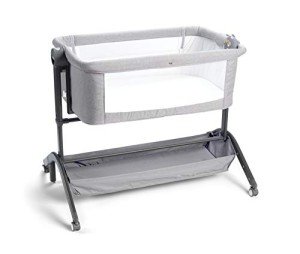
| Bassinet | A small bed created for infants, frequently with a rocking feature. | Space-saving; portable; easily accessible for nighttime care. | Shorter usage duration (up to 6 months); not appropriate for active infants. |
| Co-Sleeper | Attaches to the side of the moms and dads’ bed. | Promotes bonding; easy access for nursing; safe alternative for bed-sharing. | Minimal use; requires particular bed types; may be more expensive. |
| Cradle | A baby bed that rocks, frequently made of wood. | Relaxing rocking movement; aesthetically pleasing. | Minimal usage; less stable than cribs; can be more costly. |
| Playard | A portable, retractable backyard that can likewise be used for sleep. | Great for travel; versatile for play and sleep; typically includes altering table. | May not be as durable as a baby crib; limited firmness choices for bed mattress. |
| Moses Basket | A little, portable basket developed for babies. | Really portable; cozy sleeping environment. | Not appropriate for long-term usage; generally short life-span; requires a company, flat surface. |
Selecting the Right Baby Bed
When choosing a baby bed, parents ought to consider numerous factors to discover the best fit for their needs and their child’s security:
-
Safety Standards: Always check that the crib or bed fulfills present security requirements established by companies such as the Consumer Product Safety Commission (CPSC). Search for certifications suggesting that the bed has been tested for security.
-
Area and Portability: Consider how much space is available in the nursery or bed room. If space is tight or regular travel is anticipated, a portable choice like a bassinet or playard might be ideal.
-
Budget: Baby beds can vary widely in cost. Identify a spending plan beforehand and try to find alternatives that offer security and comfort without breaking the bank.
-
Usage Period: Consider for how long the baby bed will be utilized. Baby cribs can last numerous years if used properly, while bassinets might just be utilized for a few months.
-
Product and Comfort: Look for beds made from non-toxic products. The bed mattress must be firm and fit snugly within the bed frame to reduce the threat of suffocation.
-
Visual appeals: While safety and performance need to be the main focus, numerous moms and dads likewise desire a Baby Cot Bed bed that complements the nursery decoration.
Necessary Features to Look For
When searching for a baby bed, certain functions can enhance your experience and improve safety:
- Adjustable Mattress Height: Some cribs permit the mattress height to be changed as the baby grows, making it simpler to raise the kid out securely.
- Convertible Options: Some cribs can transform into toddler cheap cot beds or daybeds, extending their beneficial life.
- Storage Space: Beds with built-in storage can help keep nursery basics organized.
- Mobility: Beds with wheels can be handy for moving from space to room.
- Breathability: A breathable cot bed sales mattress or a baby crib with mesh sides can assist with air circulation, lowering the danger of getting too hot.
Security Guidelines for Baby Beds
Creating a safe sleep environment is essential for children. Here are some standards to follow:
- Firm Mattress: Use a firm mattress that fits comfortably within the baby crib or bed frame.
- No Loose Bedding: Avoid pillows, blankets, or toys in the sleeping area to avoid suffocation.
- Proper Assembly: Follow the manufacturer’s directions for assembly to make sure stability and security.
- Regular Inspections: Check regularly for any loose parts or damage that could posture a risk.
Regularly Asked Questions (FAQ)
1. When can I move my baby to a baby crib from a bassinet?
The majority of infants shift to a baby crib around 3-6 months of age when they start to grow out of the bassinet or become more mobile.
2. How do I select a crib bed mattress?
Search for a firm, flat bed mattress with a snug fit. Inspect safety accreditations and guarantee it is totally free from hazardous chemicals.
3. Is co-sleeping safe?
Co-sleeping can promote bonding and make nighttime feeding easier, but it brings threats. If parents pick to co-sleep, it’s necessary to follow security guidelines to lessen risks.
4. Can I utilize a pre-owned crib?
It’s crucial to ensure that a second-hand crib fulfills existing security standards and has actually not been remembered. Always examine for wear and tear.

5. What is the safest sleeping position for my baby?
The most safe sleeping position for children is on their back. This position decreases the risk of Sudden Infant Death Syndrome (SIDS).
Selecting the ideal baby bed is a substantial choice that needs mindful factor to consider of safety, functionality, and personal preference. By comprehending the various options offered, moms and dads can make informed options that add to a safe and comfy sleeping environment for their kid. Keep in mind, a great night’s sleep for your baby can result in a happier home for everybody.
