


freezer-uk2629
freezer-uk2629
The Most Worst Nightmare About Fridge And Freezer Relived
The Essential Guide to Fridges and Freezers: Maximizing Efficiency and Freshness
In contemporary kitchens, refrigerators and freezers are important devices that help individuals and households maintain food, reduce waste, and conserve money. Understanding how to effectively use and maintain these appliances can enhance their efficiency and extend their life expectancy. This blog site post will explore the various types of refrigerators and freezers, their parts, best fridges practices for use and maintenance, and address some frequently asked questions.
The Different Types of Fridges and Freezers
When it pertains to refrigeration, options can differ commonly based on design, size, and features. Here’s a comprehensive contrast:
Types of Refrigerators
| Type | Description | Pros | Cons |
|---|---|---|---|
| Top Freezer | Standard design with the freezer on top of the fridge | Cost-effective, roomy, simple to gain access to | Limited features, requires flexing for lower fridge |
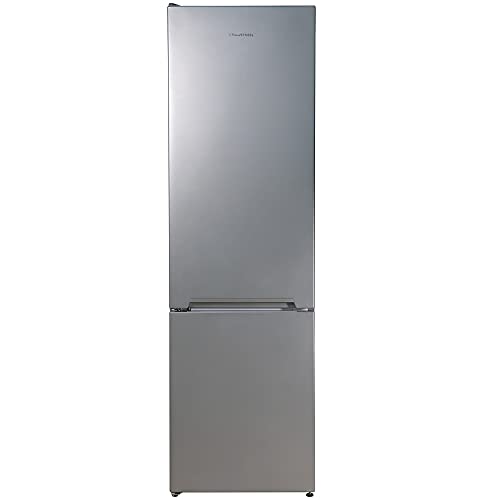
| Bottom Freezer | Freezer compartment located at the bottom | Simpler access to fresh food, contemporary appearance | Less storage area in the freezer |
| Side-by-Side | Fridge and freezer compartments are surrounding | Simpler access to both compartments, integrated ice maker choice | Narrow racks, tends to be less large |
| French Door | Two doors for the fridge top and a pull-out freezer drawer | Adequate area, simple organization, elegant | Normally higher rate point, needs more space |
| Compact | Little fridges for sale uk – visit this web page link – perfect for dormitory or little kitchen areas | Portable and space-saving | Restricted storage, not appropriate for households |
Types of Freezers
| Type | Description | Pros | Cons |
|---|---|---|---|
| Chest Freezer | A big, deep freezer that opens from the leading | Outstanding energy effectiveness, large storage space | Requires more floor space, tough to organize |
| Upright Freezer | A vertical freezer that opens from the front | Easier company with racks, compact design | Typically uses more electricity, smaller capacity |
| Portable Freezer | Small freezers developed for travel or smaller sized spaces | Light-weight, best for on-the-go requirements | Restricted storage and not as effective |
Key Components of Refrigerators and Freezers
Understanding the key elements of refrigerators and freezers can assist users value their functionality and fix common concerns.
Main Components
- Compressor: The heart of the cooling system, responsible for flowing refrigerant.
- Condenser Coils: These coils launch heat from the refrigerant, permitting cooling to happen.
- Evaporator Coils: Inside the fridge or freezer, these coils take in heat, developing a cold environment.
- Thermostat: Regulates the temperature inside the device.
- Fans: Ensure proper air flow to disperse the cold air equally.
Energy Efficiency
Energy efficiency is vital, offered the quantity of electricity refrigerators and freezers can consume. Try to find designs with the ENERGY STAR label, indicating they meet energy performance standards set by the U.S. Environmental Protection Agency.
Finest Practices for Usage
To take full advantage of the performance and lifespan of refrigerators and freezers, think about the following finest practices:
Storage Tips
- Keep it Full: A complete fridge or freezer keeps cold much better than an empty one, reducing energy intake.
- Arrange Smartly: Use bins or racks to keep food easily accessible. Identifying can help in reducing the time the door is open.
- Temperature level Control: Set the fridge freezer to buy between 35 ° F and 38 ° F (1.6 ° C to 3.3 ° C )and the freezer to 0 ° F( -18 ° C)for ideal efficiency.
Cleaning up and Maintenance
| Upkeep Task | Frequency | Tips |
|---|---|---|
| Tidy the coils | Every 6 months | Disconnect and vacuum or brush the condenser coils for efficiency. |
| Inspect door seals | Month-to-month | Examine for fractures or spaces; clean with warm, soapy water. |
| Thaw freezer | As needed | Prevent ice accumulation for better effectiveness; turn off and let melt before cleaning. |
| Change water filters | Every 6 months | Make sure fresh-tasting ice and water by routinely changing filters. |
FREQUENTLY ASKED QUESTION: Common Questions About Fridges and Freezers
Q1: How often should I defrost my freezer?
A1: Depending on the model, thaw your freezer whenever ice accumulation exceeds 1/4 inch (0.6 cm). Manual defrost models may need more regular attention than frost-free ones.
Q2: What should I do if my fridge isn’t cooling correctly?
A2: First, examine the temperature settings. If they are appropriate, inspect the door seals for gaps. An obstructed condenser coil or malfunctioning compressor might require professional service.
Q3: Are there any foods I should never put in the fridge or freezer?
A3: Yes, avoid saving potatoes, onions, and tomatoes in the fridge as cold temperature levels can affect their taste and texture. In the freezer, prevent foods with high water content, like lettuce, which can become mushy.
Q4: How can I reduce energy consumption?
A4: Keep the fridge and freezer complete (without overstuffing), decrease door openings, and make sure proper seals. Consider upgrading to an energy-efficient design if yours is older.
Q5: What’s the very best way to organize a fridge and freezer?
A5: In the fridge freezers, shop dairy on the top shelf, meat on the bottom, and fruits and vegetables in designated drawers. In the freezer, keep older products in view and label containers for easy gain access to.
Comprehending the essential functions and components of fridges and freezers, along with finest practices for their use and maintenance, can lead to a more efficient cooking area. With the best care, these home appliances can keep food fresh, decrease waste, and minimize energy costs for many years to come. Whether you’re considering upgrading your existing unit or just wishing to boost the life of your current design, this extensive guide ought to serve as a valuable resource.
