


high-quality-counterfeit-money3578
high-quality-counterfeit-money3578
The 10 Most Terrifying Things About Buy Real Counterfeit Money

Understanding Counterfeit Money: What You Need to Know
Counterfeit money is a term that brings a huge selection of implications, frequently causing legal troubles, financial catastrophe, and ethical predicaments. Nonetheless, the growing interest in counterfeit money, especially searching for “real counterfeit money,” has given increase to a detailed landscape where curiosity fulfills care.
In this post, we will check out the ins and outs of counterfeit money, its real and harmful implications, methods of defense versus it, and differentiate between fake and Buy Real Counterfeit Money (mouse click the following post) currency. We will likewise analyze typical misconceptions and address FAQs that surround this frequently misinterpreted topic.
What is Counterfeit Money?
Counterfeit money refers to fake currency that is produced to mimic real money and mislead people into believing it is legitimate. It is typically printed with the intent to be utilized as if it were genuine, eventually injuring society by decreasing the value of the currency and frequently resulting in serious legal effects for both the producers and users.
The Statistics of Counterfeiting
Before diving deeper, let’s have a look at some data regarding counterfeit money:
| Year | Amount Seized by Law Enforcement | Noteworthy Cases |
|---|---|---|
| 2018 | ₤ 97.9 Million | Operation Aegean |
| 2019 | ₤ 113.8 Million | Operation Money Maker |
| 2020 | ₤ 147.6 Million | Operation Coin Drop |
| 2021 | ₤ 178.6 Million | Operation Paper Trail |
| 2022 | ₤ 205.5 Million | Operation Blue Sky |
| 2023 | ₤ 220.3 Million (to date) | Operation Paperweight |
The Payment Evolution
Over the years, payment approaches have actually developed considerably. With cash still being a feasible mode of exchange, banks and the government have taken strict steps to thwart counterfeiting. Here’s a short timeline of currency development that reflects this:
| Year | Event |
|---|---|
| 1861 | First U.S. paper currency provided |
| 1929 | Modern U.S. currency design introduced |
| 1996 | Intro of the ₤ 100 note with innovative security functions |
| 2004 | New ₤ 20, ₤ 50, and ₤ 100 notes released with boosted security |
| 2020 | Upgraded ₤ 10 note announced |
The Dangers of Counterfeiting
It’s critical to recognize that engaging with counterfeit money is illegal. The following points summarize the dangers:
- Legal Consequences: Using and even possessing counterfeit money can lead to criminal charges, fines, and jail time.
- Financial Loss: Businesses that accept counterfeit bills may sustain monetary hardships, specifically if the counterfeit is not found till after the deal.
- Trust Erosion: Counterfeiting can lead to a basic mistrust in currency, affecting financial stability at both local and nationwide levels.
How to Identify Counterfeit Money
Awareness of how to recognize counterfeit money can be helpful for both customers and companies. Here are some standard security features to search for:
Key Features of Authentic Currency
| Function | Description |
|---|---|
| Watermark | A watermark should be visible when held up to the light. |
| Security Thread | A thin strip embedded in the note that can be seen when held up to the light. |
| Color-Shifting Ink | The ink used for specific designs may change color when viewed from various angles. |
| Microprinting | Tiny text that need to be clear just under zoom. |
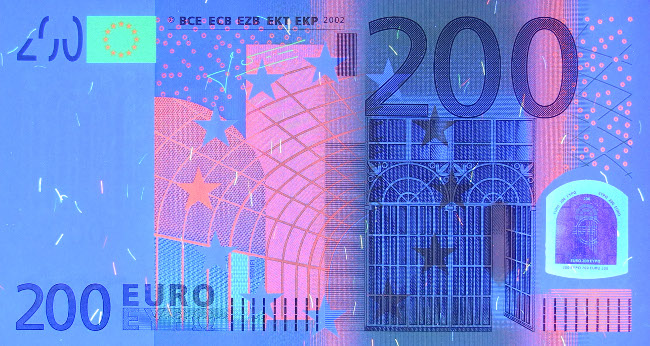
| UV Features | Certain functions might just show up under ultraviolet light. |
Counterfeit Detection Tools
To assist in recognizing counterfeit currency, services may use numerous tools:
- UV Light Scanner: Helps in determining UV functions.
- Pen Test: A special pen can be used to check the ink on the costs.
- Amplifying Glass: Useful for inspecting microprinting.
The Ethical Consideration
Counterfeit money does not simply come up with legal concerns; it raises ethical questions about integrity, trust, and the duties of people within society. Comprehending the darker implications not only restricts the opportunities of engagement with counterfeit bills however assists cultivate a more trustworthy neighborhood.
Frequently Asked Questions About Counterfeit Money
Q1: What should I do if I receive counterfeit money?
If you find counterfeit money, do not try to use it. Rather, report it to your local law enforcement agency.
Q2: Can I be apprehended for unwittingly using counterfeit money?
Yes, while intent matters, individuals can still face legal consequences for spending counterfeit money, as an absence of proof proving intent might lead to problems.
Q3: Are there any safe ways to buy or sell collectible counterfeit money?
While some collectors might have an interest in historical reproductions or collectible “play” money, make sure that all transactions abide by local laws. Constantly disclose that the products are replicas.
Q4: What are the charges for counterfeiting money?
Charges can consist of fines, restitution, and imprisonment. The intensity depends on the scale of the operation and local laws.
Q5: How can businesses secure themselves versus counterfeit bills?
Organizations can use cash-handling procedures, train employees on how to recognize counterfeit currency, and utilize detection tools regularly.
Buying or perhaps considering counterfeit money, despite the motivations or means, is a domino effect towards legal ramifications and ethical problems. Informing oneself about the nuances of currency, the signs of counterfeiting, and the prospective consequences can make sure not just personal security however also add to a reliable monetary environment.
Ultimately, comprehending the characteristics of counterfeit money is vital in a society that relies so greatly on the integrity of its currency. By recognizing the signs and repercussions, consumers and companies alike can secure themselves versus the hazards of counterfeit money.
