


manual-treadmill-for-under-desk8608
manual-treadmill-for-under-desk8608
16 Must-Follow Facebook Pages For Non Electric Treadmill-Related Businesses
The Benefits of Non-Electric Treadmills: A Sustainable Choice for Fitness Enthusiasts
In a world progressively controlled by innovation, it’s revitalizing to see a revival in easier, more sustainable fitness alternatives. Non-electric treadmills, often referred to as manual treadmills, have gained appeal amongst physical fitness enthusiasts who look for a more environmentally friendly exercise that doesn’t depend on electricity. This article will explore the benefits, features, and factors to consider of utilizing non-electric treadmills, while also resolving typical questions through a useful FAQ area.
What is a Non-Electric Treadmill?
A non-electric treadmill is a kind of exercise equipment that operates without an electric motor. Instead of being powered by electricity, these treadmills utilize the user’s own energy to move the belt. This uses a special set of benefits that deals with various fitness levels and preferences.
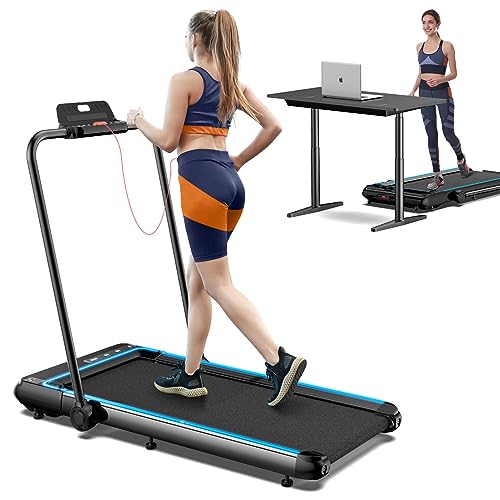
Secret Features of Non-Electric Treadmills
| Function | Description |
|---|---|
| Manual Resistance | Users manage the speed by changing their walking or running pace. |
| Compact Design | Many designs are light-weight and simple to store, making them suitable for home gyms. |
| Durability | Normally made of tough materials, ensuring longevity with proper upkeep. |
| Economical | Generally less costly than electric treadmills due to the lack of electrical elements. |
| Quiet Operation | No motors indicate quieter workouts, ideal for apartment or condos or shared spaces. |
| User-friendly | Basic assembly and operation, requiring minimal setup. |
Advantages of Non-Electric Treadmills
-
Eco-Friendly Option: Non-electric treadmills take in no electricity, making them an eco-conscious choice for individuals aiming to reduce their carbon footprint.
-
Boosted Workout Intensity: Since users should create their own momentum, exercises can end up being more intense. This can result in more calories burned throughout a session compared to motorized alternatives.
-
Improved Muscle Engagement: Manual treadmills need more effort from the user to maintain speed, engaging more muscle groups, especially in the legs and core.
-
Portability: Many non-electric treadmills are foldable and light-weight, making them simple to transportation and shop. This is an appealing function for those with limited space.
-
Increased Safety: Without electrical components, users are less likely to experience malfunction-related injuries, and there’s no danger of shock.
-
Very little Maintenance: Non-electric treadmills require less upkeep compared to their electric counterparts, conserving users money and time on repair work.
Popular Non-Electric Treadmills
When considering a non-electric treadmill, it’s crucial to assess the alternatives readily available on the marketplace. Here are some popular models that stick out for their performance, style, and user reviews:
| Model Name | Key Features | Price Range |
|---|---|---|
| Attack Fitness AirRunner | Sturdy construction, slatted style for a more natural running feel | ₤ 2,000 – ₤ 2,500 |
| ProForm Carbon T10 | Adjustable slope, integrated exercise programs, Bluetooth connection | ₤ 699 – ₤ 1,000 |
| Sunny Health & & Fitness Manual Treadmill | Affordable, compact design, and simple assembly | ₤ 200 – ₤ 300 |
| XTerra Fitness TR150 | Big running surface, LCD display for tracking exercises | ₤ 400 – ₤ 600 |
How to Choose the Right Non-Electric Treadmill
Selecting the right non-electric treadmill requires factor to consider of a number of aspects, such as:
- Budget: Determine how much you’re prepared to invest to limit your choices.
- Space: Ensure you have appropriate space for both use and storage.
- Functions: Consider if you desire additional functions such as incline settings, heart rate screens, or integrated exercise programs.
- User Weight Capacity: Check the optimum weight limitation to guarantee it matches your requirements.
- Sturdiness: Look for models made from premium products for lasting usage.
Regularly Asked Questions (FAQ)
1. Are non-electric treadmills appropriate for newbies?
Yes, non-electric treadmills can be appropriate for novices. They enable users to control the strength of their workouts, making it easy to begin at a comfortable speed and slowly increase the trouble.
2. Do I require to set up anything for non-electric treadmills?
Most non-electric treadmills need very little assembly, often coming pre-assembled or needing just a couple of parts to be attached. Constantly describe the assembly guidelines provided by the producer.
3. Can I utilize a non-electric treadmill outdoors?
While numerous non-electric treadmills are developed for indoor use, check the producer’s guidelines. Some models might appropriate for covered outdoor areas, but prolonged direct exposure to the elements could damage them.
4. How do I maintain a non-electric treadmill?
Maintenance for non-electric treadmills is simple. Keep the belt clean and devoid of debris, lube moving parts if needed, and inspect for tightness and positioning to make sure appropriate function.
5. How do I track my exercises on a non-electric treadmill?
Numerous non-electric treadmills included built-in displays for tracking speed, distance, and calories burned. Nevertheless, if your model does not feature a display, think about using a fitness app or wearable physical fitness tracker to log your exercises.
Non-electric treadmills provide an excellent option for fitness enthusiasts seeking a sustainable, affordable, and effective exercise service. With the ability to manage exercise strength and engage more muscle groups, they deal with novices and advanced users alike. As more individuals seek ways to integrate environment-friendly choices into their lives, non-electric treadmills provide a timeless solution for those committed to their physical fitness journey. Whether for home use or in a gym setting, the benefits and flexibility of non-electric treadmills are difficult to ignore.
