


manual-walking-pad-uk9165
manual-walking-pad-uk9165
What’s The Current Job Market For Non Motorized Treadmill Professionals Like?
The Benefits and Considerations of Non-Motorized Treadmills
On the planet of fitness devices, treadmills have actually long been a staple for anybody seeking to enhance cardiovascular health, burn calories, and boost general physical fitness levels. While motorized treadmills control the market, non-motorized treadmills have gotten traction recently. This blog post explores the features, benefits, and considerations of utilizing non-motorized treadmills, using a thorough guide for those considering this unique workout option.
What is a Non-Motorized Treadmill?
A non-motorized treadmill, often referred to as a manual treadmill, operates without an electric motor. Instead, it counts on the user’s effort to move the belt. This style permits users to set their speed, offering a versatile workout experience that can be tailored to private physical fitness levels.
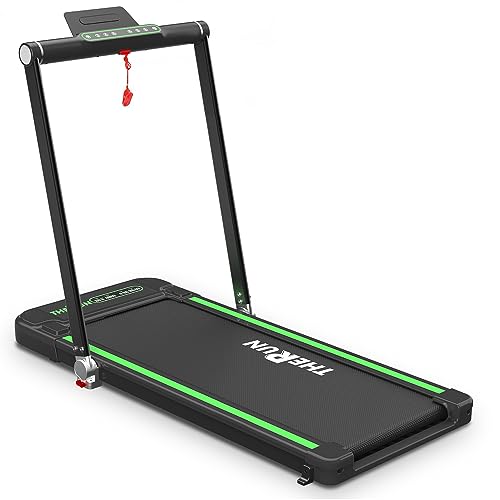
Secret Features of Non-Motorized Treadmills
| Function | Description |
|---|---|
| Self-Powered | Utilizes the user’s motions to power the belt. |
| Adjustable Incline | Often features adjustable slope settings. |
| Compact Design | Usually smaller sized and lighter, making them easier to keep. |
| Sturdiness | Built with fewer electronic components, minimizing maintenance needs. |
| Eco-Friendly | Needs no electricity, making them a sustainable alternative. |
Advantages of Non-Motorized Treadmills
While both motorized and non-motorized treadmills have their benefits, the latter deals unique advantages that attract different physical fitness enthusiasts. Here are a few of the essential advantages of non-motorized treadmills:
1. Improved Caloric Burn
Non-motorized treadmills need users to actively propel the belt, which can cause a greater calorie burn compared to their motorized equivalents. According to a research study conducted by the Journal of Sports Sciences, people using non-motorized treadmills increased their energy expenditure by approximately 30% during workouts.
2. Greater Muscle Engagement
The self-propelled nature of non-motorized treadmills means users engage more muscles, consisting of leg, core, and stabilizer muscles. This engagement can result in improved strength and endurance with time.
3. Custom-made Workouts
Without pre-programmed speeds or incline settings determined by a motor, users have full control over their workout’s strength. This flexibility permits users to customize workouts to their specific objectives, whether that indicates including sprints, periods, or steady-state cardio.
4. Increased Stability and Balance
Using a Non Motorized Treadmill (new post from Nieverobertson)-motorized treadmill promotes better balance and stability. As users should maintain their stride to keep the belt moving, they develop much better proprioception, which can translate into improved movement skills in other activities.
5. Very Little Maintenance Required
With no electrical components, non-motorized treadmills require substantially less upkeep than motorized models. Users might require to periodically lubricate the belt or tighten the frame, however total maintenance is minimal.
Factors to consider When Choosing a Non-Motorized Treadmill
While non-motorized treadmills provide numerous benefits, there are likewise factors to consider to keep in mind before purchasing.
1. Preliminary Learning Curve
Due to their distinct mechanics, some users might experience a knowing curve in adapting to a non-motorized treadmill. At first, workouts might feel more difficult than on a motorized treadmill, which can deter newbies.
2. Minimal Features
Non-motorized treadmills normally offer less functions compared to motorized options, such as built-in exercises, heart rate monitors, and advanced tracking capabilities. Users who prefer these extras might need to search for higher-end designs or be prepared to jeopardize on innovation.
3. Lower Top Speeds
Since the user sets the rate, non-motorized treadmills may not attain the very same leading speeds as motorized ones. Professional athletes training for specific running occasions may discover this constraint restrictive.
4. Physical Limitations
Individuals with specific physical constraints or injuries may find it more tough to utilize a non-motorized treadmill, such as those having problem with balance or coordination. It’s important to consult with a healthcare expert before starting any brand-new exercise routine.
Frequently Asked Questions (FAQ)
Q1: Are non-motorized treadmills suitable for all fitness levels?
A1: Yes, non-motorized treadmills can accommodate all fitness levels. Newbies can start gradually and gradually increase strength, while experienced users can incorporate high-intensity period training.
Q2: How much area do I require for a non-motorized treadmill?
A2: Non-motorized treadmills are generally more compact than motorized ones, but it’s important to inspect the specifications of the design you are thinking about. Aim for an area that allows for movement and the possibility of changing incline.
Q3: Can I use non-motorized treadmills outdoors?
A3: While most non-motorized treadmills are created for home usage, some designs can be used outdoors. However, check the producer’s requirements and warranty to ensure viability for outside conditions.
Q4: How do I preserve a non-motorized treadmill?
A4: Maintenance involves occasionally lubricating the belt, checking for loose bolts, and cleaning up the surface. Routine evaluations will help extend the treadmill’s life expectancy.
Q5: How do non-motorized treadmills compare in cost?
A5: Non-motorized treadmills frequently range from cost effective to mid-range rates, making them accessible to a larger audience. Rates can differ based upon brand name, functions, and construction quality.
Non-motorized treadmills offer an unique and reliable exercise experience for fitness lovers of all levels. With advantages such as improved calorie burn, increased muscle engagement, and very little maintenance requirements, they can be an important addition to any home fitness center setup. Nevertheless, possible users need to consider their physical fitness goals, preferences, and any physical restrictions before making a choice. By weighing the advantages and disadvantages outlined in this post, individuals can make an educated option that aligns with their health and wellness goals.
