


tots-and-cots7209
tots-and-cots7209
What Do You Do To Know If You’re Set For Small Cots
The Rise of Small Cots: A Comprehensive Guide
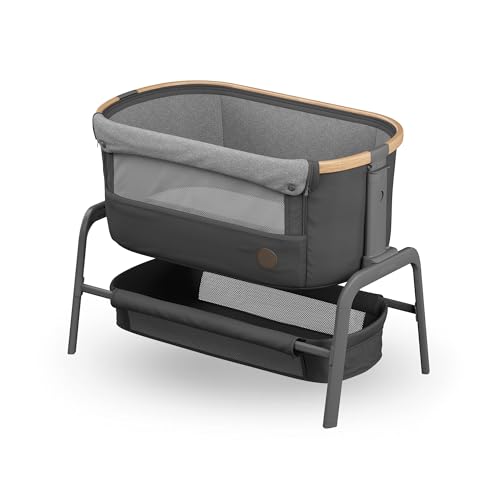
Little cots, likewise referred to as compact cribs or mini cots, are becoming significantly popular among parents and caregivers. With urban living space at a premium and a growing focus on safety and convenience, little cots offer a useful solution for sleeping plans in smaller homes. This post intends to supply a useful overview of small cots, their advantages, how to pick the right one, and responses to frequently asked concerns.
What Are Small Cots?
Little cots are specifically created sleeping areas for children and young children. They generally measure less than the basic crib size, making them perfect for tight areas without jeopardizing on security or comfort. A lot of little cots can accommodate babies up to about 2-3 years of ages, depending on the particular design and weight limitations.
Table 1: Standard Cot Size vs. Small Cot Size
| Function | Standard Cot Size | Little Cot Size |
|---|---|---|
| Length | 52 inches (132 cm) | 38-40 inches (97-102 cm) |
| Width | 28 inches (71 cm) | 24-26 inches (61-66 cm) |
| Height | 36 inches (91 cm) | 30-34 inches (76-86 cm) |
| Weight Capacity | Approximately 50 pounds (22.7 kg) | Up to 40 lbs (18.1 kg) |
Benefits of Small Cots
1. Area Efficiency
One of the most considerable benefits of small cots is their space-saving design. In metropolitan environments, numerous parents deal with the obstacle of restricted home. Small cots are perfect for fitting into nurseries, bedrooms, and even living rooms without dominating the room.
2. Mobility
Lots of little cots are developed to be lightweight and portable. This makes them easy to walk around your home or to bring on family journeys. Some designs even feature foldable functions for simpler transportation and storage.
3. Visual Appeal
Small cots typically can be found in different designs and colors, enabling moms and dads to select a design that matches their home decoration. Whether modern-day, classic, or whimsical, there’s a little cot to suit every taste.
4. Security Features
The majority of little cots follow strict safety requirements to ensure the wellness of babies and toddlers. Features like adjustable mattress heights, tough building and construction, and non-toxic surfaces offer peace of mind for parents.
5. Affordable
Little cots generally have a lower cost point compared to standard cribs, making them a more affordable option for parents. They can also be more affordable in the long run as they are often convertible into young child beds.
How to Choose the Right Small Cot
When picking a small cot, there are several elements to think about to guarantee it fulfills your needs:
1. Size and Space
Procedure the readily available space in your home before picking a cot. Ensure there is adequate space for the cot and any other required furniture, such as changing tables or dressers.
2. Product
Look for cots made from long lasting, high-quality products. Strong wood or non-toxic products with appropriate certifications are more suitable for security.
3. Mattress Type
Select a firm, snug-fitting mattress that fulfills safety standards. Some small cots come with bed mattress, while others need separate purchases.
4. Safety Features
Inspect for safety accreditations and functions such as adjustable bed mattress heights, rounded edges, and safe locking systems.
5. Portability
If you plan to move the cot around often, try to find light-weight, foldable options with wheels for enhanced maneuverability.
6. Design
Select a cot that matches your personal style and home décor. There are numerous styles readily available, from minimalist to more decorative alternatives.
Table 2: Factors to Consider When Choosing a Small Cot
| Element | Considerations |
|---|---|
| Size | Step available space |
| Material | Search for durable, non-toxic materials |
| Mattress Type | Make sure a firm, snug-fitting mattress |
| Security Features | Look for certifications and safety features |
| Mobility | Think about foldable choices with wheels |
| Design | Choose a style that complements your home decoration |
Often Asked Questions (FAQs)
Q1: What age is a little cot suitable for?
A little cot is generally ideal for infants approximately 2-3 years of age, depending on the particular model and weight limits.
Q2: Are little cots safe for sleep?
Yes, small cots are designed to meet security requirements and offer a safe sleeping environment for babies and toddlers. Constantly make sure that the cot is assembled properly which you follow safety guidelines.
Q3: Can a little cot be used for travel?
Many little cots are portable and designed for travel. Search for lightweight models that fold easily for transportation.
Q4: Should I purchase a mattress separately?
Some small cots included a bed mattress consisted of, while others require a separate purchase. Guarantee that any bed mattress you buy fits snugly within the cot.
Q5: Are little cots convertible?
Many small cots are designed to be convertible, permitting them to transform into young child beds, which can extend their usable life and conserve you money in the long run.
Small cots offer an outstanding sleeping solution for parents looking to maximize space without compromising safety or style. Their compact design, portability, and economic advantages make them an attractive choice for contemporary households. Whether for a small nursery or a short-term Newborn Sleeping Tips arrangement while traveling, little cots are useful and functional.
When selecting the best small cot, think about the size, product, security features, and style, so your kid can sleep peacefully and safely. With the best small cot, parents can create a relaxing, inviting area for their children to dream and grow.
